
I will be get paid a commission for purchases made through links on this post.
Choosing the best dance shoes brands matters more than most beginners expect — the wrong sole can turn a simple turn into a slipped ankle. Whether you’re outfitting a first ballet class or shopping for competition-grade Latin heels, this guide breaks down the 10 best dance shoes brands for men and women in 2026: Capezio, Bloch, So Danca, Sansha, Very Fine Dance Shoes, Werner Kern, LaDuca, Mirella, Freed of London, and Miller & Ben — with US pricing, sizing, and shipping notes for every brand, whether it’s made domestically or imported.
What You’ll Learn:
- Which brand fits each dance style — ballet, jazz, tap, ballroom, Latin, and theatrical
- The standout model worth buying from each of the 10 brands
- Key features, pros, and cons for every brand — no filler
- How to choose between a budget brand and a premium competition brand
- Where to buy each brand and what to check before you purchase
Table of Contents
Best Dance Shoes Brands:
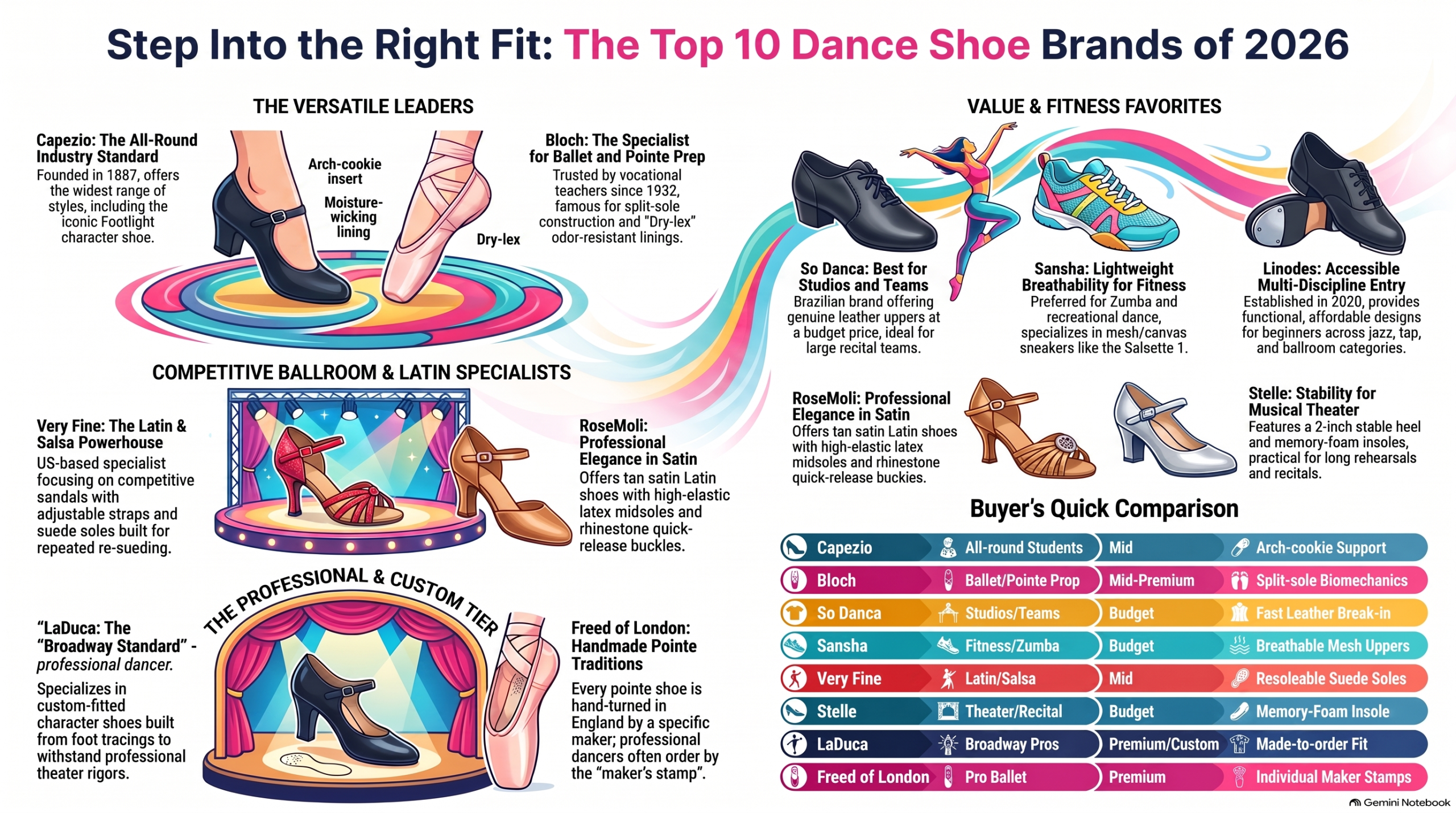
The best dance shoes brands overall are Capezio and Bloch for all-round ballet, jazz, and tap coverage; Very Fine Dance Shoes and Werner Kern for competitive ballroom and Latin; and Freed of London for professional pointe work. Budget-conscious dancers and studios outfitting large groups should start with So Danca or Sansha.
Key Takeaways
- Capezio and Bloch remain the most versatile best dance shoes brands for students and recital studios
- Very Fine Dance Shoes and Werner Kern specialize in competitive ballroom and Latin
- Freed of London and Mirella lead the pointe/ballet specialist category
- LaDuca and Miller & Ben serve professional/theatrical performers with custom or hand-crafted builds
- So Danca and Sansha offer the best value for beginners and bulk studio orders
Top 10 Best Dance Shoe Brands:
If you’re a serious dancer, choosing from the best dance shoes brands is non-negotiable — the wrong shoe changes how you move, not just how you look. Capezio, Bloch, and So Danca lead the pack for everyday training, while Very Fine Dance Shoes, Werner Kern, and Freed of London dominate their respective competitive niches. Here are the 10 best dance shoes brands for ballet, jazz, tap, ballroom, and theatrical performance, covering both men and women.
- Capezio Dance Shoes
- Bloch Dance Shoes
- So Danca Dance Shoes
- Sansha Dance Shoes
- Very Fine Dance Shoes
- Werner Kern Dance Shoes
- LaDuca Dance Shoes
- Mirella Dance Shoes
- Freed of London Dance Shoes
- Miller & Ben Dance Shoes
1. Capezio: best all-round dance shoe brand:
Rating: ⭐⭐⭐⭐ (4.8/5)
Buy Product on Amazon
Capezio is a strong first choice for dancers who need a broad range of styles from one established dancewear brand. Its catalog covers ballet slippers, jazz shoes, tap shoes, character shoes, ballroom styles, and dance sneakers, which makes it useful for students, recital groups and dancers who take more than one class.
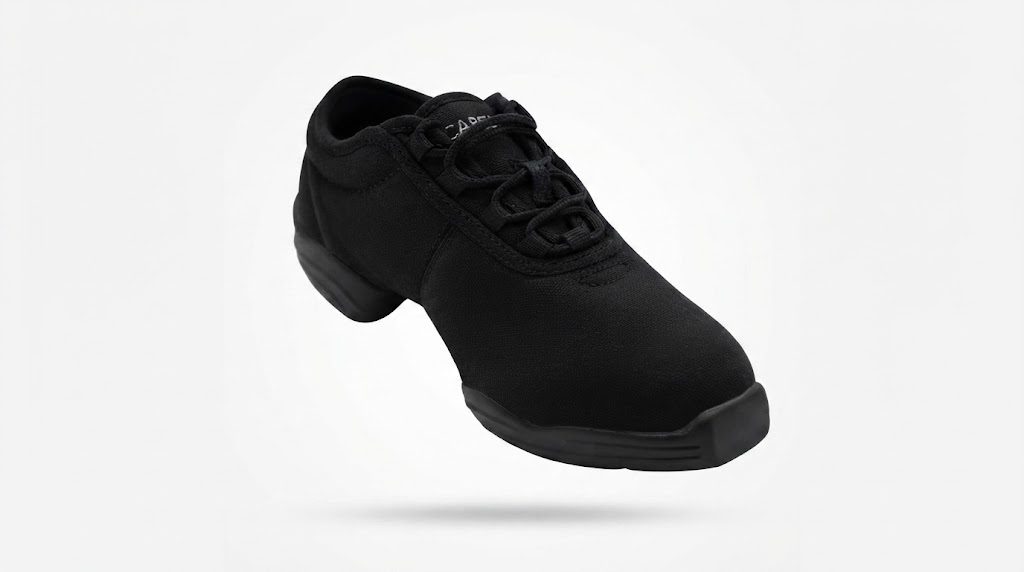
Choose Capezio when you want easy access to replacement pairs and a wide selection of fits and silhouettes. Its Footlight character shoe is a familiar option for stage and recital work, while its jazz and dance-sneaker lines cover studio, crossover and fitness uses. The main limitation is that a generalist brand cannot be the perfect specialist choice for every discipline. Competitive Latin, professional pointe and high-level tap may require a more focused design.
Best for: beginners, students, recital programs and dancers who want one brand with many categories.
Check before buying: model-specific width, heel height, sole material and whether the shoe is intended for indoor dance floors.
Why Capezio Is One of the Best Dance Shoes Brands?
Capezio’s been the name in dance shoes since 1887 — Salvatore Capezio opened his first shop right across from the old Metropolitan Opera House in New York, and dancers just started showing up needing repairs before curtain. That’s the kind of origin story that actually shows up in how the brand still operates. It doesn’t specialize. Ballet slippers, character shoes for dance, tap dance shoes, jazz dance shoes, ballroom oxfords — Capezio makes all of it for men and women, which means a dance school can outfit an entire recital roster without touching a second brand.
The current flagship is the Footlight character shoe, and the Fierce Dansneaker covers jazz and cross-training. What actually keeps Capezio near the top of any best dance shoes brands list isn’t flash; it’s consistency: pressure-tested heels, arch-cookie insoles, moisture-wicking linings, even on the models that aren’t the premium tier. If you’re buying a first pair and genuinely don’t know what you need yet, this is where you start.
Capezio Footlight Character Shoe Review:
Worth zooming in on the Footlight specifically. The upper is a supple 1mm PU with a folded-edge topline — smooth against the foot, no rough seam digging into the arch. There’s a cushioned insole with arch-cookie support built in, and an Achilles notch that actually does what it claims: stops the heel slipping when a dancer rises onto the balls of the feet, which is a genuinely common complaint with cheaper character shoes.
Taps aren’t an afterthought either — the sole takes Tele Tone toe taps and Duo-Tone or Selva Staccato heel taps, so one pair moves between silent rehearsal and full tap performance. Sizing runs a half size up from street shoe size (worth remembering before you order), and it’s available all the way down to kids’ sizes, which matters if a studio is buying for an entire age range at once. Ask dancers logging 20+ hours a week in rehearsal what actually makes a shoe last, and most point to the moisture-absorbing lining — it’s the difference between one season and three.
Key Features of Capezio Dance Shoes
- Supple 1mm PU or leather upper with folded-edge topline
- Cushioned insole with signature ‘arch cookie’ support
- Achilles notch to prevent heel slip on relevé
- Compatible with Tele Tone toe and Duo-Tone/Selva Staccato heel taps
- Moisture-absorbing brushed microfiber lining
- Full size range from kids’ to adult, unisex options
Pros of Capezio Dance Shoes
- Widest style range of any single dance shoe brand (ballet to ballroom to tap)
- Consistent, predictable sizing across most lines
- Taps and accessories are interchangeable across several models
Cons of Capezio Dance Shoes
- Premium leather lines cost more than Sansha or So Danca equivalents
- Some jazz sneaker styles run narrow for wide feet
- Character shoe heels need re-taping/re-taping after heavy tap use
2. Bloch: best for ballet and pointe preparation:
Rating: ⭐⭐⭐⭐ (4.8/5)
Buy Product on Amazon
Bloch is best suited to dancers who prioritize ballet construction, studio reliability and a strong specialist range. The brand offers ballet slippers, pointe-related footwear, tap shoes, ballroom shoes and men’s dance styles, so it can support a dancer from introductory classes into more focused training.
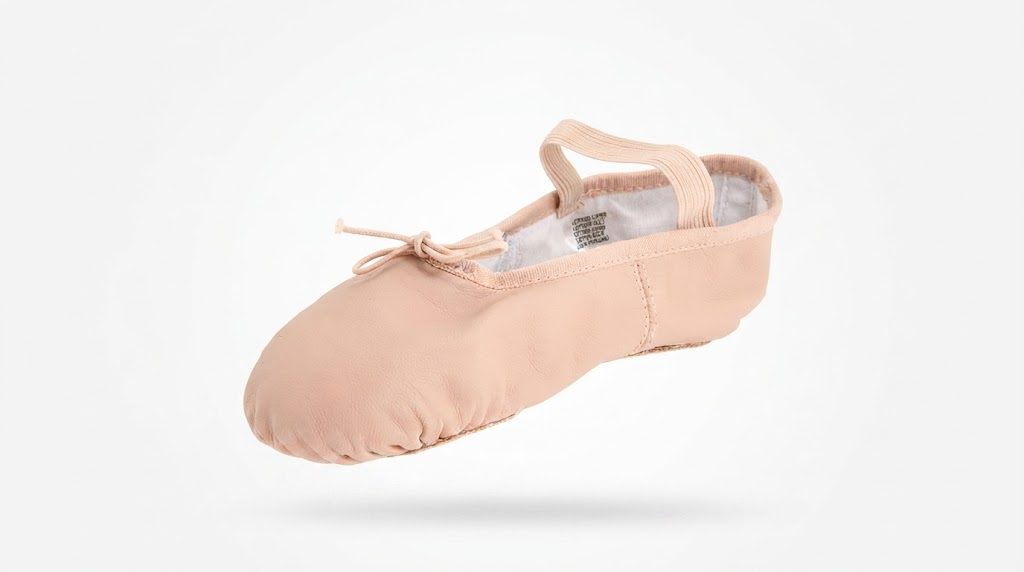
Bloch should be considered alongside a professional fitter when pointe work is involved. Pointe shoes should not be selected from a generic online size chart alone because box shape, shank strength, vamp length and foot shape all affect the fit. For ordinary ballet and studio classes, compare the upper material, sole construction and width options with your instructor’s recommendation.
Best for: ballet students, studio dancers and dancers beginning pointe preparation.
Check before buying: professional pointe fitting, box shape, shank strength, width and the retailer’s exchange policy.
Why Is Bloch a Top Pointe Shoe Brand?
Bloch’s an Australian dancewear manufacturer, in business since 1932, and it’s earned a specific kind of trust — the kind vocational ballet teachers have, not just recreational studios. The catalog runs from Dansoft ballet slippers through the Splitflex pointe and demi-pointe range, Tap-Flex tap shoes, Annabella ballroom shoes for women, plus Xavier and Synchrony for men.
What actually defines Bloch, though, is the sole: split, non-marking rubber or suede, engineered to bend with the foot’s natural arch rather than fight it. Teachers assessing pointe readiness look for exactly this. Materials range from canvas and leather up to dry-lex mesh linings that resist odor and mildew — not a small thing when a shoe gets worn barefoot-adjacent for hours across a full competitive season.
Bloch Splitflex Character Shoe Review:
The Splitflex character shoe is the one worth examining closely. It’s built around an elasticized panel underfoot, letting the sole actually move with the foot through pointe and demi-pointe rather than stopping dead at the ball of the foot the way a rigid split sole does. The suede forefoot outsole grips marley floors without sticking — flat rubber soles tend to catch; this doesn’t — and the dry-lex lining stays non-wrinkling through multi-hour rehearsal blocks.
Tap-Flex, meanwhile, pairs a flexible split sole with a reinforced heel plate mount so taps hold through aggressive heel-work choreography. Studio owners who stock Bloch consistently report fewer mid-season sole replacements than with canvas-only budget brands — which, honestly, is the real argument for paying the Bloch premium up front. You’re not paying for the logo.
Key Features of Bloch Dance Shoes
- Non-marking split rubber or suede sole for natural arch movement
- Dry-lex lining — breathable, non-wrinkling, odor- and mildew-resistant
- Elasticized underfoot panel (Splitflex) for pointe and demi-pointe
- Reinforced heel plate mounting for tap models
- Leather, canvas, and mesh upper options across the range
- Dedicated men’s line (Xavier, Synchrony) built on a wider last
Pros of Bloch Dance Shoes
- Split-sole construction is a genuine biomechanical advantage for pointe work
- Strong men’s dance shoe range compared to most competitors
- Widely stocked, so replacement pairs are easy to source mid-season
Cons of Bloch Dance Shoes
- Pricier than Sansha across nearly every comparable style
- Break-in period on leather Dansoft models can take several classes
- Satin pointe accessories sold separately from the base shoe
3. So Danca – best budget dance shoes for beginners and studios:
Rating: ⭐⭐⭐⭐ (4.7/5)
Buy Product on Amazon
So Danca is a useful value option when cost, leather construction and a broad beginner range matter. The brand is commonly considered for ballet slippers, jazz oxfords, tap shoes and dance sneakers. That mix makes it practical for students, growing dancers and studios purchasing several pairs at once.
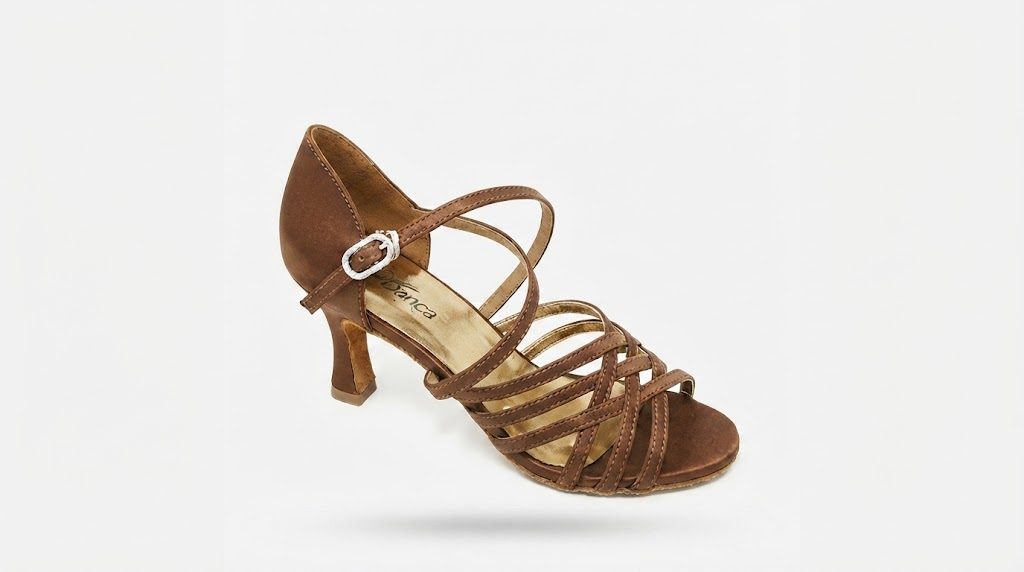
A lower price does not remove the need for correct fit. A jazz shoe should sit close to the foot without painful pressure, while a ballet slipper should not bunch under the toes. So Danca is a sensible starting point for a dancer learning what type of shoe works, but advanced ballroom, Latin and pointe dancers may need a more specialized brand.
Best for: beginners, school programs, recital teams and budget-conscious dancers.
Check before buying: leather versus canvas, toe-box shape, half-size availability and return costs.
Why So Danca Is a Top Value Pick Among Dance Shoe Brands?
So Danca is Brazilian, and it’s carved out a genuinely useful niche: one of the more affordable best dance shoes brands that doesn’t cut corners on build quality to get there. The lineup covers jazz dance shoes in an oxford cut, canvas and leather ballet slippers, tap dance shoes, and — this part’s grown fast — dance sneakers built for hip-hop and contemporary crossover.
That last category puts it in direct competition with Capezio’s Dansneaker line, at a noticeably lower price. Competitive studios outfitting large recital teams often standardize on So Danca for a simple reason: a full team costs meaningfully less to equip than the equivalent Bloch or Capezio order, while still getting a real split sole and leather upper instead of vinyl. The half-size range is wider than most competitors too, which cuts down on mid-season exchanges when kids’ feet won’t stop growing.
So Danca JZ95 Oxford Jazz Shoe Review:
Ask a dance educator which So Danca model to recommend and most say the JZ95 Oxford without hesitating. Low block heel, closed lacing, a leather sole that glides on marley and wood without the extra slip a rubber-bottom sneaker gives you. The padded footbed and soft leather upper break in faster than comparable Bloch or Capezio leather models — genuinely useful for competition teams that need a shoe stage-ready in a week or two, not a full season of wear.
For a dancer moving out of a canvas slipper into a structured jazz shoe for the first time, the JZ95’s price also makes it a lower-risk first purchase. Figure out your actual foot shape and preferred fit here before spending premium-brand money on your second pair.
Key Features of So Danca Dance Shoes
- Genuine leather uppers at a below-premium price point
- Split-sole construction across most jazz and ballet models
- Wide half-size range for growing dancers
- Faster leather break-in period than most premium competitors
- Dance sneaker line for hip-hop/contemporary crossover
Pros of So Danca Dance Shoes
- Best value-to-quality ratio among mainstream dance shoe brands
- Good option for outfitting large competition or recital teams on budget
- Faster break-in means less rehearsal time lost to a new pair
Cons of So Danca Dance Shoes
- Smaller selection of specialty ballroom/Latin styles than Very Fine or Werner Kern
- Availability varies more by region than Capezio or Bloch
- Pointe shoe range is limited compared to Bloch or Freed of London
4. Sansha – best for recreational dance and fitness classes:
Rating: ⭐⭐⭐⭐ (4.7/5)
Buy Product on Amazon
Sansha is worth considering for lightweight jazz shoes, ballet slippers, and dance sneakers used in recreational or fitness-format classes. Breathable mesh and canvas options can feel comfortable during repeated classes, especially when weight and ventilation matter more than competition-level structure.
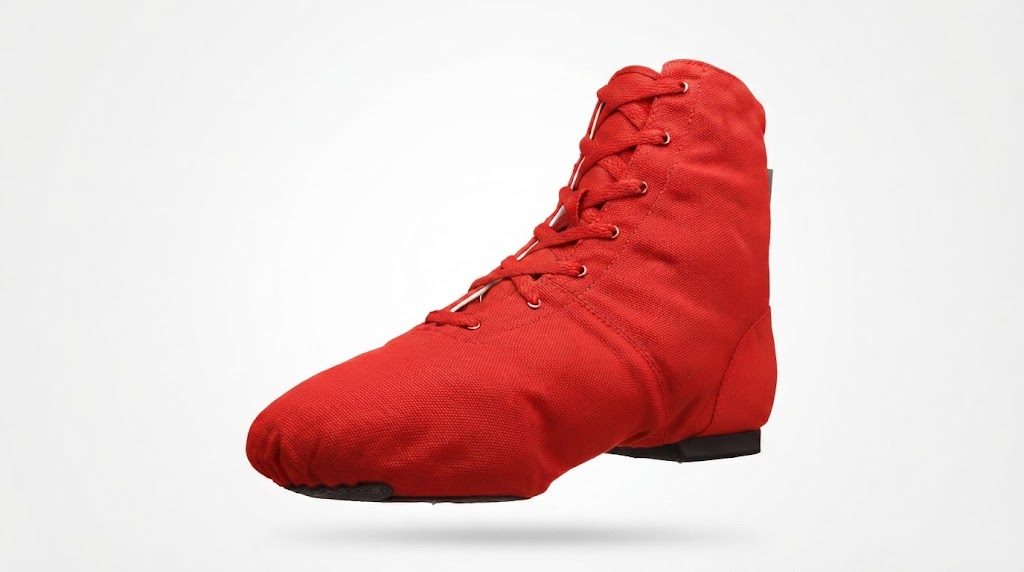
A dance sneaker should not be confused with a running shoe. Dance footwear usually provides a smoother pivot area or split construction that supports turning, while running shoes use more aggressive tread to grip the ground. For Zumba, jazz-fitness and similar classes, compare the shoe’s pivot point, cushioning and floor compatibility. Mesh can feel light, but it may not last as long as leather under daily intensive training.
Best for: Zumba, recreational dance, fitness classes and light studio training.
Check before buying: sole grip, pivot zone, ventilation, cushioning and the surface used in your class.
Why Sansha Suits Recreational & Fitness Dancers?
Sansha’s French, founded in 1982, and it built its whole reputation around one idea: mesh, canvas, and satin dance sneakers and jazz dance shoes that actually breathe through a long rehearsal. You see that engineering priority across the Salsette jazz sneakers, the Pro 1 canvas ballet slipper, T-Split tap shoes for women, and a matching men’s line with the Tivoli lace-up jazz shoe and T-Bojango tap shoe.
It generally sits as an entry point among best dance shoes brands — students, recreational adults, studios buying in bulk — because the canvas and mesh models undercut Capezio and Bloch leather equivalents while still keeping a genuine split-sole construction, not a single rigid slab. It also sells through Amazon’s UK, German, French, Italian, and Spanish storefronts, so European dancers can order without eating a US-to-EU shipping premium.
Sansha Salsette 1 Jazz Sneaker Review:
The Salsette 1 is Sansha’s best-known model — quick-drying, highly breathable synthetic mesh upper, paired with a suede sole specifically chosen to let a dancer glide rather than grip on marley floors. Air-cushioned heel, padded footbed for shock absorption during heel-heavy jazz work. It’s noticeably lighter than a leather jazz oxford, and that’s exactly why fitness-format dancers — Zumba instructors especially — tend to gravitate toward it; less fatigue across a multi-class teaching day adds up fast.
The trade-off is durability. Mesh wears faster than Bloch’s leather or Capezio’s PU under daily competition-level use, so Sansha really suits someone training a few sessions a week more than a company member training six days straight.
Key Features of Sansha Dance Shoes:
- Breathable synthetic mesh, suede, or satin uppers
- Suede sole tuned for glide rather than grip on marley floors
- Air-cushioned heel and inner padded footbed
- Split-sole construction across most models
- Strong EU marketplace availability (UK, DE, FR, IT, ES)
Pros of Sansha Dance Shoes:
- One of the lightest jazz sneaker options for fitness-format dance classes
- Lower price point than Capezio or Bloch for comparable mesh/canvas styles
- Easy to source across multiple European storefronts
Cons of Sansha Dance Shoes:
- Mesh uppers show wear faster than leather under daily training
- Smaller pointe and ballroom offering than Bloch or Very Fine
- Less structured support for dancers needing firm arch reinforcement
5. Very Fine Dance Shoes – best for Latin, salsa and ballroom beginners:
Rating: ⭐⭐⭐⭐ (4.8/5)
Buy Product on Amazon
Very Fine Dance Shoes is a specialist choice for Latin, salsa, ballroom and practice footwear. Latin shoes generally need controlled glide, secure straps and a flexible forefoot for pivots and weight transfers. A suede sole is common in this category because it can provide more controlled movement on an appropriate indoor dance floor than a sticky street sole.
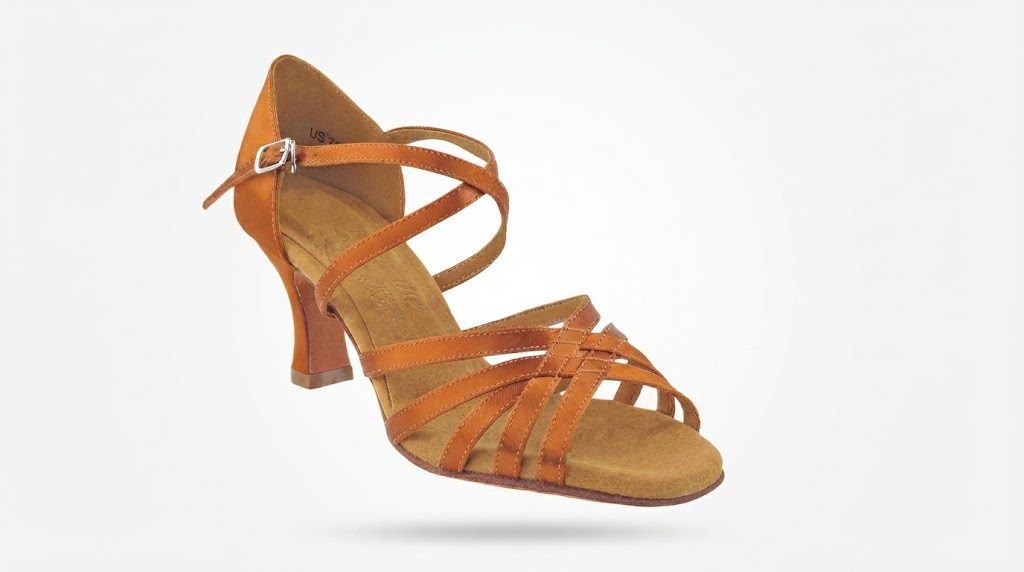
Women’s Latin sandals should be selected by heel height, strap security and stability rather than appearance alone. Men’s ballroom and Latin shoes should be judged by forefoot flexibility, heel support and the fit around the heel. Do not wear suede-soled dance shoes outdoors; street surfaces can damage the sole and change how it moves on the studio floor.
Best for: salsa dancers, Latin competitors, ballroom students and dancers moving beyond social sneakers.
Check before buying: heel height, ankle-strap adjustment, suede maintenance, floor type and dance-style compatibility.
Why Very Fine Leads Ballroom Dance Shoes for Competitors?
Very Fine Dancesport Shoes started in June 1998 as a US-based OEM manufacturer, and it’s since grown into one of the largest suppliers of ballroom dance shoes and Latin dance shoes in the country — by doing one thing well, rather than also trying to cover ballet or tap. That specialization is exactly why serious ballroom and salsa dancers treat it as one of the best dance shoes brands for their specific niche.
The catalog is built around women’s Latin/Rhythm sandals, men’s standard-heel oxfords, and unisex practice and dance-sneaker styles, using premium materials at prices meaningfully below the German and English competition houses. It’s also widely stocked as a house brand across independent US ballroom retailers, which keeps replacement heel tips and suede resoling genuinely accessible — something niche imported brands often can’t offer.
Very Fine Rosaly Latin Sandal Review:
Look at the Latin/Rhythm sandal line — the Rosaly, the Sofie — and you’ll find a suede sole with adjustable ankle straps, heel heights running roughly 2 to 3.5 inches, built specifically for the pivot-heavy footwork salsa dance shoes and international Latin demand. The suede sole is glued and stitched rather than just cemented, which matters more than it sounds: competition dancers re-suede their soles multiple times a season, and a stitched base actually survives repeated resoling.
On the men’s side, the Giorgio split-sole Latin oxford has a flexible forefoot that lets a leader articulate through Cuban motion without the shoe fighting back — a standard leather-soled dress shoe simply can’t do that. Instructors consistently recommend Very Fine as the first real dancesport purchase once a beginner moves past a social-dance sneaker into competitive Latin.
Key Features of Very Fine Dance Shoes:
- Adjustable ankle-strap Latin/Rhythm sandals, 2″–3.5″ heel range
- Suede soles built for repeated re-suede/resoling over a season
- Split-sole flexible forefoot on men’s Latin oxfords
- Wide US retail network for quick replacement and repair parts
- Practice-shoe and dance-sneaker lines alongside performance heels
Pros of Very Fine Dance Shoes
- Purpose-built for competitive ballroom/Latin rather than a generalist line
- More affordable than Werner Kern or English competition brands
- Easy to get soles repaired through the US ballroom retail network
Cons of Very Fine Dance Shoes
- No meaningful ballet, pointe, or tap offering
- Suede soles need floor-specific care and aren’t street-wearable
- Heel height range can be intimidating for true beginners
6. RoseMoli – Professional Ballroom Dance Shoes:
Rating: ⭐⭐⭐⭐ (4.8/5)
Buy Product on Amazon
RoseMoli’s professional ballroom dance shoes are designed for amateur and professional dancers who want a flexible, polished shoe for Latin dance, salsa, samba, cha-cha, rumba, and ballroom practice or performance. The tan satin upper creates an elegant appearance, while the adjustable crisscross ankle straps and rhinestone quick-release buckle combine stage style with a secure fit. The 2.2-inch heel offers a moderate performance height, and the suede sole is intended to support controlled movement on the dance floor.
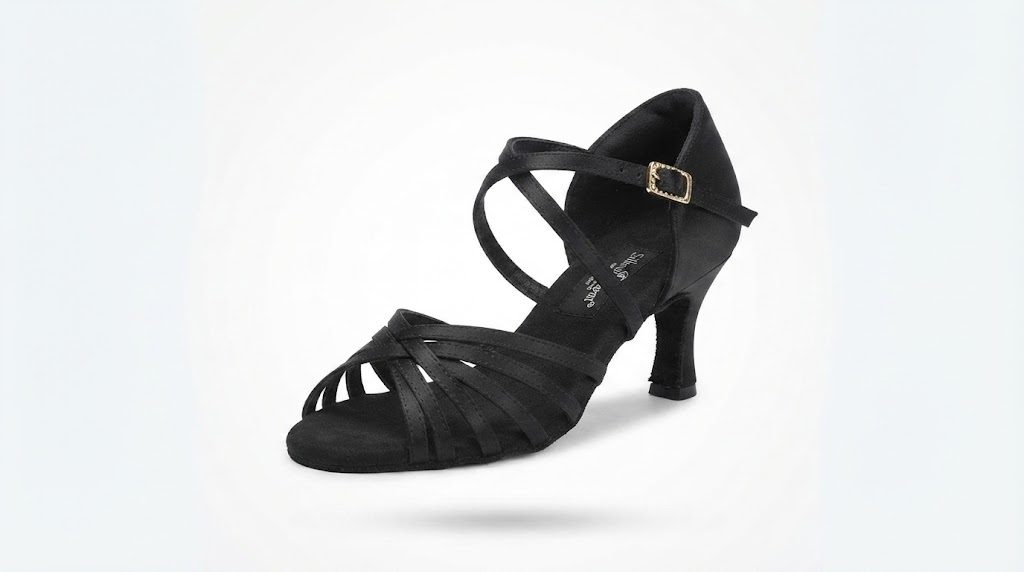
The trade-off is that this is a close-fitting Latin dance shoe rather than a general-purpose walking shoe. Dance shoes are designed to fit more closely than everyday footwear, so careful foot measurement and consultation of the size chart are important. Dancers who prefer a lower practice heel may want a different model, while advanced performers should confirm that the heel height, sole type, and fit meet their specific discipline and competition requirements.
Best for: Latin dance, salsa, samba, cha-cha, rumba, ballroom practice, ballroom performance, social dancing, and dancers who want an elegant tan satin shoe with a suede sole.
Check before buying: Foot measurement, size-chart guidance, the selected 2.2-inch or 2.8-inch heel option, close-fit preference, satin-care requirements, and whether the dance venue permits the chosen sole.
Why Choose RoseMoli Professional Ballroom Dance Shoes?
RoseMoli focuses this model on the needs of Latin and ballroom dancers rather than everyday fashion footwear. Its satin upper has a smooth, formal appearance that works well with competition costumes, practice outfits, and performance wardrobes. The crisscross ankle straps are adjustable, and the rhinestone quick-release buckle adds a decorative detail while making the shoe easier to fasten before class or performance.
The selected version in the supplied listing is the tan 2.2-inch heel. Other versions of the same style may be available with a 2.8-inch heel, so buyers should check the variation carefully before ordering. The moderate 2.2-inch heel is a useful compromise for dancers who want some elevation and a shaped Latin silhouette without choosing the taller option.
The shoe’s strongest point is its combination of appearance and dance-specific construction. The listing identifies a high-elastic latex midsole, cushioned insole, soft breathable lining, and anti-slip suede sole. Together, these features are intended to provide flexibility, cushioning, and floor contact for repeated dance movement. However, no shoe can guarantee perfect balance or comfort for every foot; fit remains the deciding factor.
RoseMoli Dance Shoe Comfort and Fit Review
The shoe is described as having a high-elastic latex midsole, cushioned insole, and soft breathable lining. These components are intended to make the shoe flexible and comfortable during practice and performance, while the satin upper gives the model a soft, elegant finish. The design is particularly appropriate for dancers who spend extended periods in Latin or ballroom footwear and want more cushioning than a rigid formal pump.
The adjustable crisscross straps help hold the foot in position and allow the dancer to fine-tune the fit around the ankle. The rhinestone quick-release buckle provides a polished visual detail and simplifies fastening. Because Latin dance shoes should fit close to the foot, buyers should measure the foot from heel to longest toe and compare the result with the provided size chart instead of relying only on their usual street-shoe size.
The suede sole is a major difference between this shoe and ordinary rubber-soled character shoes. Suede can support smoother weight shifts, turns, and controlled floor contact on suitable indoor dance surfaces. It may require more care than rubber and may not be appropriate for wet pavement or rough outdoor surfaces. This model should be treated as a dedicated dance shoe, not as an all-weather everyday shoe.
Key Features of RoseMoli Ballroom Dance Shoes
- Tan satin upper: Provides a smooth, elegant appearance suited to Latin and ballroom costumes, practicewear, and performances.
- 2.2-inch heel option: Offers moderate elevation and a shaped Latin-dance profile; a 2.8-inch option may also be available depending on the selected variation.
- Adjustable crisscross ankle straps: Help create a secure, close-fitting feel during dance movement.
- Rhinestone quick-release buckle: Adds decorative appeal and makes fastening easier before practice or performance.
- High-elastic latex midsole: Designed to provide flexibility, softness, and elasticity for repeated bending and movement.
- Cushioned insole: Adds comfort during longer practice sessions and performances.
- Soft breathable lining: Helps create a more comfortable interior for extended wear.
- Anti-slip suede sole: Designed to support balance, floor contact, and controlled dance movement on suitable indoor surfaces.
- Extra rhinestone buckle: The product description states that an additional buckle is included in each pair for replacement if the original is lost.
- Latin and ballroom versatility: Marketed for Latin, salsa, samba, cha-cha, rumba, ballroom practice, and performance.
Pros of RoseMoli Professional Dance Shoes
- The most noticeable advantage is the balance between appearance and function. The satin upper, rhinestone buckle, and crossed straps create a performance-ready look, while the latex midsole, cushioned insole, and breathable lining are intended to make the shoe comfortable enough for regular practice.
- The 2.2-inch heel is also a practical choice for dancers who want a defined Latin silhouette without immediately moving to the taller 2.8-inch option. The suede sole is better suited to controlled indoor dance movement than a standard street-shoe outsole, making this model more dance-specific than a conventional dress heel.
- The additional rhinestone buckle is a useful small detail. Buckles can be misplaced or damaged during travel, so a replacement part may help extend the practical life of the pair. The model is also marketed for both amateur and professional dancers, giving it broad appeal across lessons, social dancing, rehearsals, and performances.
Cons of RoseMoli Professional Dance Shoes
- The close-fitting design requires more careful sizing than an ordinary shoe. The seller advises dancers to measure their feet and choose according to the size chart, and some listings recommend ordering one size down. Buyers should not apply that recommendation automatically; they should compare their actual foot length with the current chart and consider foot width and instep shape.
- The satin upper has an elegant appearance but may require more careful handling than a casual synthetic shoe. The suede sole is appropriate for dance-floor control, but it is not the best choice for wet, dirty, or rough outdoor surfaces. Dancers who need a shoe for mixed indoor and outdoor use may prefer a more durable everyday outsole.
- The 2.2-inch heel is moderate, but it may still feel too high for dancers who are completely new to heels or who prefer a flat practice shoe. Conversely, dancers accustomed to professional Latin heels may prefer the taller 2.8-inch version or a competition-specific model selected for their technique and floor conditions.
Final Buying Verdict:
RoseMoli’s tan 2.2-inch professional ballroom shoes are a strong option for dancers who want an elegant satin Latin shoe with a close fit, adjustable ankle support, cushioned interior, flexible midsole, and suede sole. They are especially suitable for salsa, samba, cha-cha, rumba, Latin practice, ballroom rehearsals, social dancing, and performance use.
Choose this model when you want a dance-specific shoe that looks polished and offers moderate heel height. Measure carefully before ordering, protect the satin upper, and use the suede sole on appropriate indoor dance surfaces. If you need extensive outdoor durability, a lower beginner heel, or competition footwear tailored to a particular dance discipline, consider a different model.
Dance with confidence in RoseMoli women’s tan satin Latin dance shoes. Designed for ballroom, salsa, samba, cha-cha, rumba, and performance, these shoes feature a 2.2-inch heel, adjustable crisscross ankle straps, rhinestone quick-release buckle, cushioned insole, high-elastic latex midsole, soft breathable lining, and anti-slip suede sole for flexible, elegant movement on the dance floor.
7) Stelle – 2-Inch Ankle-Strap Character Shoes:
Rating: ⭐⭐⭐⭐ (4.8/5)
Buy Product on Amazon
Stelle’s 2-inch ankle-strap character shoes are a practical choice for dancers, theater performers, students, and beginners who need a comfortable, stable heel for classes, rehearsals, recitals, performances, or everyday stage wear. The rounded-toe design creates a classic character-shoe silhouette, while the adjustable ankle strap helps keep the foot secure during movement. The memory-foam insole, breathable lining, and rubber outsole make this model especially suited to dancers who prioritize cushioning and dependable traction over specialized competition construction.
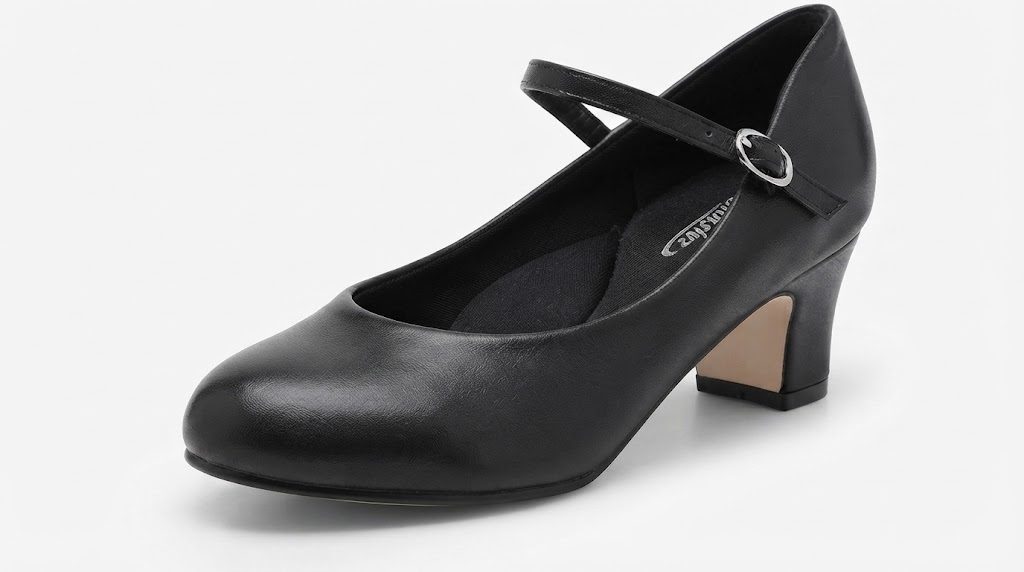
The trade-off is that this is a ready-to-wear character shoe rather than a custom-fitted professional model. Its rubber sole is useful for grip and general dance-floor stability, but dancers who need highly controlled spins or competition-specific floor contact may prefer a suede-soled ballroom shoe. For theater, jazz, Latin, ballroom, flamenco practice, rehearsals, and general performance use, Stelle offers a versatile and accessible option.
Best for: Musical theater, ballroom, jazz, Latin, flamenco, dance classes, rehearsals, recitals, performances, and all-day wear when cushioning and stability matter.
Check before buying: Your size, preferred color and heel option, the 2-inch heel height, and whether your dance floor requires a specialized suede sole rather than rubber.
Why Choose Stelle’s 2-Inch Character Shoes?
Stelle’s character shoes are designed around a straightforward performance formula: a moderate heel, secure ankle strap, cushioned interior, and traction-focused rubber outsole. The 2-inch heel provides a lifted, stage-ready appearance without the added height of a 2.5-inch or higher performance heel. That makes the shoe a sensible middle ground for dancers who want a traditional character-shoe profile while retaining a relatively stable base.
The rounded closed-toe shape gives the shoe a timeless look that works with theater costumes, recital outfits, ballroom clothing, and professional dancewear. The adjustable buckle ankle strap allows the wearer to fine-tune the fit and helps prevent the shoe from sliding during choreography, turns, walking patterns, and stage movement.
This model is marketed for multiple dance disciplines, including musical theater, ballroom, jazz, Latin, and flamenco. That breadth is its main advantage. It is not designed as a specialized flamenco boot or advanced competition shoe; it is an adaptable character heel for dancers who want one pair that can move between studio, stage, rehearsal, and casual performance settings.
Stelle Character Shoe Comfort and Fit Review:
The interior is one of the strongest features of this model. The listing identifies a soft breathable lining and memory-foam insole designed to cushion the foot and help reduce fatigue during longer classes, rehearsals, performances, or periods of standing. This makes the shoe particularly attractive to theater performers and students who may wear character shoes for several hours at a time.
The adjustable ankle strap adds support and allows the wearer to create a more customized fit around the ankle. A secure strap is useful when choreography includes repeated direction changes or when the shoe must remain stable during stage walking. As with any dance shoe, comfort will still depend on foot shape, arch preference, and correct sizing. Dancers with unusually wide feet, high insteps, or a need for substantial orthotic support should compare measurements carefully before ordering.
The rubber outsole is described as slip-resistant and suitable for dance floors, theater stages, studio surfaces, and everyday wear. It also provides a practical advantage for general use: the sole does not require the maintenance associated with suede. However, rubber can feel less responsive for controlled ballroom spins than a purpose-built suede sole. That is an important buying distinction, not a flaw in the design.
Key Features of Stelle Character Dance Shoes
- 2-inch heel: Offers moderate elevation and a classic character-shoe appearance while maintaining a practical stability profile.
- Adjustable ankle strap: The buckle closure helps secure the shoe and allows the fit to be adjusted around the ankle.
- Memory-foam insole: Adds cushioning and is intended to improve comfort during extended wear.
- Breathable lining: Helps create a softer, more comfortable interior for rehearsals, classes, performances, and daily wear.
- Rounded closed-toe design: Provides a traditional, stage-ready character-shoe look.
- Rubber outsole: Offers traction for studio surfaces, theater stages, dance floors, and general walking.
- Faux-leather outer material: Gives the shoe a polished appearance and is listed as the outer material on the Amazon product page.
- Multiple dance applications: Suitable for musical theater, ballroom, jazz, Latin, flamenco, rehearsals, performances, and professional dancewear.
- Multiple color and size options: The listing shows a range of color and size variations, though availability may change by selection.
Pros of Stelle 2-Inch Character Shoes:
- The main advantage is comfort for the price category. The memory-foam insole and breathable lining give the shoe a more cushioned interior than a basic dress pump, which can be valuable during long rehearsals, performances, or theater events.
- The 2-inch heel is another strength. It adds the familiar lifted appearance of a character shoe without being as demanding as a taller heel. The ankle strap further improves security, while the rubber outsole provides practical traction for studio floors, stages, and everyday use.
- The rounded-toe styling is easy to coordinate with costumes and dancewear. Because the shoe is marketed for theater, ballroom, jazz, Latin, and flamenco, it can serve dancers who participate in more than one discipline rather than requiring a separate pair for every activity.
Cons of Stelle 2-Inch Character Shoes:
- The faux-leather outer material may not provide the same breathability, flexibility, or long-term aging characteristics as premium genuine leather. The rubber outsole is practical and traction-oriented, but it may not deliver the same turning response as a suede ballroom sole. Dancers preparing for a competition should check the rules and floor requirements before using this shoe.
- The moderate heel is stable for many dancers, but complete beginners may still prefer a flat shoe while learning balance and basic technique. The product is also not a custom-fit theatrical shoe, so dancers with unusual foot dimensions or demanding professional production schedules may need a more specialized model.
- Amazon’s customer-summary section indicates that many reviewers praise the shoe’s comfort, cushioning, fit, value, and suitability for theater and dance, while some reviews raise concerns about heel durability. Because review experiences vary, buyers who plan to use the shoes intensively should inspect the heel and upper periodically and avoid treating this accessible model as a heavy-duty professional stage shoe.
Final Buying Verdict:
Stelle’s 2-inch ankle-strap character shoes are a sensible choice for dancers who want a classic stage silhouette, moderate heel height, cushioned comfort, and dependable everyday traction. The memory-foam insole, breathable lining, adjustable ankle strap, rounded toe, and rubber outsole make the shoe well suited to theater, jazz, ballroom, Latin, flamenco, rehearsals, recitals, and general dance practice.
Choose this model when comfort, stability, versatility, and value are more important than specialized floor response or custom construction. Consider a suede-soled ballroom shoe for advanced spinning and competition work, or a custom professional character shoe when production durability and individualized fit are the primary requirements.
Step confidently into rehearsals, performances, and dance classes with Stelle’s women’s 2-inch ankle-strap character shoes. Featuring a classic rounded-toe design, adjustable buckle strap, memory-foam insole, breathable lining, and slip-resistant rubber outsole, these cushioned dance shoes provide comfort and stability for musical theater, ballroom, jazz, Latin, flamenco, recitals, and everyday stage wear.
8. Linodes Dance Shoes for Beginner:
Rating: ⭐⭐⭐⭐ (4.8/5)
Buy Product on Amazon
Linodes is a dance-footwear brand positioned around accessible shoes for dancers across ballet, jazz, tap, character, ballroom, Latin, and related performance disciplines. The brand states that it was established in 2020 and developed from the experience of dancers and footwear designers who wanted to balance comfort, flexibility, durability, and affordability. Its product range is broader than a single specialty: the official catalog includes adult and children’s dance shoes, jazz shoes, tap shoes, character shoes, ballroom shoes, Latin shoes, and practice footwear.
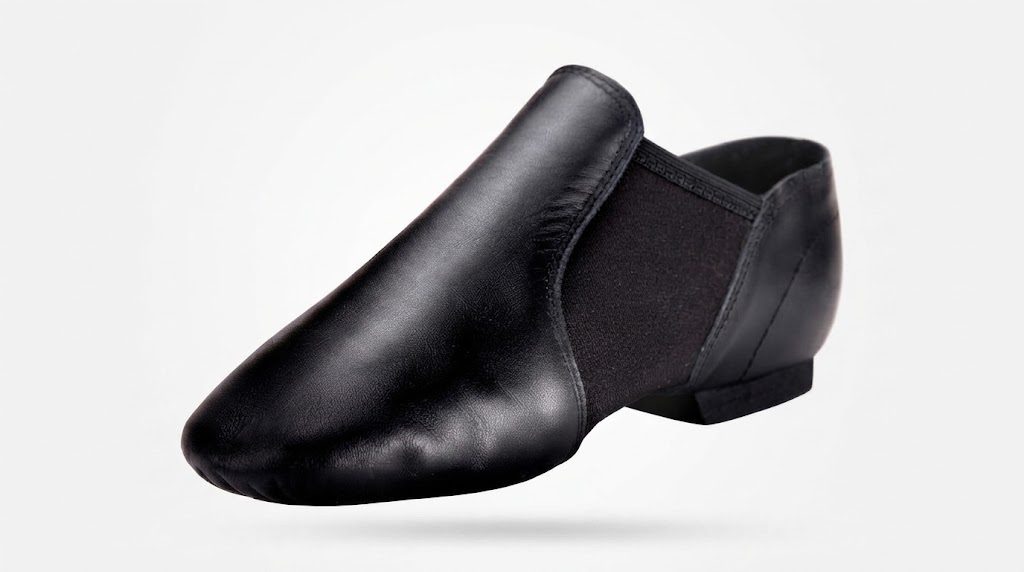
The practical appeal of Linodes is its range. A beginner looking for an affordable first pair, a student replacing worn class shoes, a theater performer needing character shoes, and an adult dancer searching for ballroom practice shoes can all find different product types within the brand’s catalog. That makes Linodes less of a single-style specialist and more of a multi-category dancewear option.
The main trade-off is specialization. Linodes offers practical designs at accessible price points, but not every model is intended for the same floor, technique, or professional workload. A split-sole jazz shoe, a hard-soled tap shoe, a character heel, and a ballroom practice shoe solve different problems. The best buying decision depends on the dancer’s discipline, floor surface, heel preference, required support, and frequency of use.
Best for: Beginners, students, recreational dancers, theater performers, school productions, adult ballroom dancers, and families purchasing dance shoes across several disciplines.
Check before buying: Dance discipline, sole type, heel height, leather versus PU construction, sizing guidance, intended floor surface, and whether the shoe is designed for children, women, men, or unisex use.
Linodes Brand Positioning: Practical Dance Shoes for Multiple Disciplines:
Linodes presents itself as a “by dancers, for dancers” brand that combines functional construction with stage-ready styling. Its official brand history highlights breathable leather, high-elasticity fabrics, shock-absorbing rubber, reinforced stitching in high-stress areas, and repeated wear-testing as part of its design approach.
That positioning is useful for buyers because dance shoes are not simply fashion shoes with a decorative shape. The sole, shank, heel, upper material, fastening system, and internal cushioning all influence how the shoe behaves during movement. Linodes’ catalog reflects this difference by separating soft jazz shoes from hard-soled tap shoes, character shoes, and ballroom footwear.
The brand also emphasizes affordability. Linodes’ official blog describes a goal of making dance shoes more accessible for dancers who may find professional footwear expensive, while still providing features such as flexible soles, breathable materials, cushioning, and secure closures. The sensible interpretation is that Linodes targets value-conscious dancers who need functional footwear without immediately moving into premium specialist pricing.
Which Linodes Product Categories Deserve the Most Attention?
Linodes’ category structure and product assortment point to four especially important product lines: jazz shoes, tap shoes, character shoes, and adult ballroom/Latin shoes. These categories cover common class requirements, school and theater needs, children’s dance programs, and adult social or competitive practice. The official dance-shoes collection lists 42 products, while its adult ballroom and Latin collection lists 9 products, showing that the brand maintains a broad general catalog alongside a focused adult ballroom line.
The table below identifies the strongest buyer-intent categories without claiming that the brand publishes complete sales rankings. The emphasis is based on catalog breadth, visible product variety, customer-review signals on official product pages, Amazon visibility, and the number of common use cases each category serves.
| Priority category | Typical buyer | Main purchase intent | Representative Linodes features |
| Jazz shoes | Ballet and jazz students, theater students, adults | Affordable class shoe with flexibility and close fit | Leather or PU upper, slip-on or lace-up construction, EVA or flexible sole, arch support |
| Tap shoes | Children, beginners, school performers, adult tap students | Clear sound, secure fit, affordable entry-level construction | Riveted aluminum taps, 1-inch heel, easy strap or lace-up closure, cushioned lining |
| Character shoes | Theater performers, recital dancers, stage students | Stable heel with secure strap and classic stage styling | Adjustable ankle strap, 1.5- to 2-inch heel options, closed toe, character-shoe silhouette |
| Ballroom and Latin shoes | Adult beginners, social dancers, Latin and ballroom students | Practice or performance shoe with secure fit and dance-specific sole | Men’s lace-up styles, women’s T-straps, practice heels, cushioned insoles, indoor soles |
Linodes Jazz Shoes: The Everyday Class Essential:
Linodes jazz shoes are among the most practical products in the brand’s assortment because jazz footwear is a common requirement for classes, theater programs, auditions, rehearsals, and musical-theater training. The brand offers slip-on and lace-up designs, including soft leather and PU options. Its official FAQ recommends that jazz shoes fit snugly and hug the foot, because excess room can interfere with control and movement.
The adult coffee leather slip-on jazz shoe illustrates the category well. It uses a genuine-leather upper, stretch side panels, a low approximately 0.4-inch heel, and a unisex size range extending from 4 to 14. The slip-on construction removes the need for laces, while the stretch inserts help the shoe stay close to the foot. This makes the style suitable for daily training, warm-ups, rehearsals, and stage movement where a low-profile shoe is preferred.
The main reason to choose a Linodes jazz shoe is flexibility and simplicity. It is a focused class shoe, not a supportive running sneaker and not a formal stage heel. Dancers should select the upper material and closure according to their needs: genuine leather may offer a traditional feel, while PU models can provide a lower-cost alternative.
Linodes Tap Shoes: Entry-Level Sound and Secure Fit:
Linodes tap shoes are designed for dancers who need a hard-soled shoe with attached taps for rhythmic practice and performance. The official catalog includes adult Oxford tap shoes, slip-on tap shoes, children’s Velcro styles, beginner tap shoes with elastic snaps, and split-sole easy-strap models.
The split-sole PU leather easy-strap tap shoe uses a 1-inch heel, soft PU leather upper, flexible vegan sole, cushioned lining, and riveted aluminum taps. The product description states that the aluminum taps are designed to produce clear, resonant sound, while the flexible sole bends naturally with foot movement. These features make the model particularly relevant for beginners, school concerts, recreational dancers, and families looking for a manageable first tap shoe.
Tap shoes should be judged differently from jazz or ballroom shoes. The quality and attachment of the taps, sound consistency, heel stability, and fit around the ankle matter more than a smooth turning sole. Linodes’ tap range is therefore most attractive to buyers seeking accessible practice and performance footwear rather than specialized professional tap construction.
Linodes Character Shoes: Stage Stability with Classic Styling:
Linodes character shoes are intended for theater, chorus line, recital, stage dance, and other settings where the dancer needs a raised heel with secure foot placement. The official character-shoe collection emphasizes balanced support, heel stability, and foot flexibility. The catalog includes women’s 1.5-inch character shoes, women’s 2-inch T-strap character shoes, canvas character shoes, and economy options.
A character shoe is often the bridge between a flat dance shoe and a performance heel. The ankle strap helps secure the foot, while the closed-toe silhouette works with theater costumes and rehearsal clothing. The 1.5-inch option is more approachable for beginners and extended rehearsals, while a 2-inch T-strap style creates a more elevated stage profile.
The important limitation is that a character shoe is not automatically a ballroom competition shoe or a specialized flamenco shoe. Buyers should check whether the sole is rubber, leather, or suede and confirm that it matches the floor and choreography. Linodes is strongest in this category for practical stage and rehearsal use, especially where stability and affordability are more important than custom professional construction.
Linodes Ballroom and Latin Shoes: Affordable Practice Options
Linodes’ adult ballroom and Latin collection includes shoes for both men and women in multiple styles, materials, and heel heights. The brand describes the line as suitable for beginners who need stable practice footwear as well as dancers who want more elegant stage-oriented designs.
The collection includes men’s lace-up ballroom shoes, modern Latin styles, square-toe ballroom shoes, leatherette indoor dance shoes, women’s silver closed-toe T-strap Latin shoes, women’s black matte T-strap Latin shoes, black canvas practice shoes with a 2-inch heel, and ballroom practice shoes with a 1.25-inch heel. This variation is important because ballroom buyers do not all want the same shoe. A beginner may prefer a lower practice heel, while a Latin dancer may prioritize a T-strap, a shaped heel, or a more formal upper.
Linodes’ ballroom and Latin shoes are best viewed as accessible practice and performance options. Buyers should pay particular attention to whether a particular model has a rubber, leather, or suede sole and whether it is intended for indoor use. Hard-soled ballroom shoes should fit comfortably without heel slipping, according to Linodes’ own fit guidance.
What Makes Linodes Different from a Generic Fashion Shoe?
Linodes designs are differentiated by dance-specific construction rather than by fashion styling alone. Jazz shoes are designed to remain close to the foot; tap shoes include attached taps and hard soles; character shoes use elevated heels and straps; and ballroom shoes are structured around indoor dance movement and secure fit. These distinctions make the product category more useful than a generic dress shoe or sneaker for the intended activity.
The brand also provides a relatively broad size and user range. Its catalog includes children’s beginner footwear, unisex adult jazz and tap styles, women’s character and Latin shoes, and men’s ballroom shoes. This breadth makes Linodes relevant to dance schools and families who may need several shoe types over time.
Linodes Sizing, Fit, and Care Guidance:
Linodes recommends using the size guide on each product page because sizing varies by style. Its general guidance is that ballet flats and jazz shoes should fit snugly, while hard-soled shoes such as character shoes, tap shoes, and ballroom shoes should fit comfortably without heel slipping.
The brand also advises storing shoes away from direct sunlight and dust, using a box or shoe bag, and allowing soft shoes to air-dry before placing them in a dance bag. Leather shoes can be treated with polish and a light cloth, while canvas and fabric shoes can be spot-cleaned.
| Shoe type | General fit principle | Care priority |
| Jazz and ballet shoes | Snug, close to the foot, with minimal excess room | Air-dry before storage and keep away from moisture |
| Character shoes | Comfortable ankle and heel security without slipping | Protect the upper and inspect heel and strap regularly |
| Tap shoes | Secure fit with stable heel and comfortable toe room | Keep taps dry and check fasteners periodically |
| Ballroom and Latin shoes | Close, comfortable fit with no heel slipping | Use on suitable indoor surfaces and store in a shoe bag |
Pros of Linodes Dance Shoes:
Linodes’ biggest strength is range. The brand covers multiple disciplines, age groups, and use cases, allowing dancers to find class shoes, rehearsal shoes, stage shoes, and beginner footwear under one brand. Its pricing and product variety are particularly attractive to students, families, school programs, and recreational dancers.
The brand also emphasizes practical features rather than unnecessary complexity. Depending on the model, buyers can find genuine or PU leather uppers, flexible soles, cushioned linings, adjustable straps, EVA soles, riveted taps, and a variety of heel heights.
Finally, Linodes provides direct sizing and care guidance, a useful trust signal for a category where incorrect fit can affect comfort and performance.
Cons and Limitations of Linodes Dance Shoes:
Linodes’ broad catalog means quality and construction can vary by product category. A genuine-leather jazz shoe, a PU tap shoe, a canvas character shoe, and a ballroom practice heel should not be evaluated by exactly the same standards. Buyers need to read the individual product specifications rather than assume that every Linodes shoe offers identical materials or durability.
The brand is also not a universal replacement for premium specialist footwear. Professional dancers with demanding performance schedules, custom fit requirements, advanced competition needs, or discipline-specific technical demands may prefer a higher-end specialist shoe. Linodes is generally most compelling when affordability, practical features, and accessible sizing are central priorities.
Final Brand Verdict:
Linodes is a strong value-oriented dance-footwear brand for buyers who want practical options across jazz, tap, character, ballroom, Latin, ballet, and children’s dance categories. Its most commercially important product lines are likely to be jazz shoes for everyday classes, tap shoes for beginners and school performers, character shoes for theater and stage work, and ballroom/Latin shoes for adult practice and performance. This prioritization is based on the brand’s catalog breadth, dedicated collections, visible product variety, and Amazon presence—not on unpublished sales data.
Choose Linodes when you want accessible dance footwear matched to a specific discipline and use case. Start with the sole, heel, upper material, closure, and fit guidance rather than choosing by appearance alone. That approach will help a beginner select the right first shoe, a theater performer choose a stable character heel, a tap student find a secure hard-soled model, and an adult ballroom dancer choose a suitable practice shoe.
Linodes creates accessible dance shoes for dancers of all ages and experience levels. From flexible jazz shoes and clear-sounding tap shoes to stable character heels and ballroom practice shoes, Linodes combines dance-focused construction with comfortable materials, secure fits, and practical price points. Whether you are attending your first class, preparing for a school performance, rehearsing for theater, or practicing ballroom and Latin dance, Linodes offers footwear designed to help you move with confidence.
9. LaDuca: best custom character shoes for professional performers:
Rating: ⭐⭐⭐⭐ (4.8/5)
Buy Product on Amazon
LaDuca is a specialist option for professional theatrical, character, and tap performers who need custom fit or production-specific details. A custom shoe may be useful when standard sizing cannot provide the required width, heel height, vamp, or period styling. It is a very different purchase from an off-the-shelf recital shoe.
The trade-off is cost and lead time. Students and recreational dancers will usually get better value from a standard character shoe, while working performers may value a custom construction that matches choreography, costume and repeated performance demands. Confirm the fitting process and production timeline before placing an order.
Best for: Broadway-style work, professional performers and custom character-shoe requirements.
Check before buying: lead time, fitting method, heel height, customization terms and repair support.
Why LaDuca Is the Broadway Standard for Character Shoes?
LaDuca is a New York City dance footwear house built specifically around Broadway and professional theatrical performers — a genuinely different category from every recital-market brand above. It’s best known for custom, made-to-order character shoes for dance and tap dance shoes, built to survive eight shows a week under stage lighting and constant quick changes.
The company works directly with Broadway costume designers, so styles often get designed to match a specific production’s period silhouette rather than pulled from a seasonal catalog. If you’re a working performer who needs a shoe matching an exact character heel height, or you’re hard-to-fit and standard sizing has let you down repeatedly, LaDuca’s custom program is the recognized industry option — not some niche curiosity.
LaDuca Custom Fitting Process Review:
The custom process starts with a foot tracing or an in-person fitting, and the shoe gets built around the exact heel height, width, and vamp-style requirements a performer submits — meaningfully different from grabbing an off-the-shelf Capezio Manhattan and hoping for the best. Materials are reinforced specifically for eight-show-week durability: heavier leather soles, tap plates mounted for repeated re-taping, reinforced heel counters built to resist heel-first stage-turn stress a recital shoe was never designed to survive.
The catch is turnaround time and cost — a custom pair takes considerably longer than an off-the-shelf Capezio or Bloch order, and pricing sits well above recital-market brands. Which is exactly why LaDuca mostly serves working professionals and serious pre-professional performers, not students buying for a Saturday class.
Key Features of LaDuca Dance Shoes:
- Custom, made-to-order sizing built from a foot tracing or fitting
- Reinforced leather soles and heel counters for eight-show-week use
- Tap plates mounted for frequent professional re-taping
- Period-accurate styling built in collaboration with costume designers
- Broadway/professional-theater industry standard for custom character shoes
Pros of LaDuca Dance Shoes:
- The only brand on this list built specifically for professional stage durability
- True custom fit solves problems standard sizing can’t
- Trusted directly by Broadway costume and production teams
Cons of LaDuca Dance Shoes:
- Significantly higher price than any recital-market brand on this list
- Custom production means longer wait times than off-the-shelf ordering
- Overkill for students or recreational dancers who don’t need custom fit
10. Freed of London: best for professional pointe traditions:
Rating: ⭐⭐⭐⭐ (4.8/5)
Buy Product on Amazon
.Freed of London is a premium pointe-shoe brand associated with handmade production and professional ballet traditions. The important point for shoppers is not simply the brand name; it is the individual fit, maker consistency, box shape, shank, and the dancer’s technique.
A professional dancer may value repeat ordering from a maker who consistently matches their foot. A beginner or pre-pointe student should not assume that a professional brand is automatically the right choice. Pointe shoes should be fitted in person or through a qualified specialist, and they should be replaced when the structure no longer provides appropriate support.
Best for: professionally fitted pointe work and experienced ballet dancers.
Check before buying: maker or model, fitting history, shank, box, break-in process and replacement needs.
Why Freed of London Leads Professional Ballet Shoe Brands?
Freed of London has made pointe shoes by hand in England since 1929, and honestly, it’s hard to overstate how much trust that’s earned among professional ballet companies — including The Royal Ballet. What actually sets Freed apart, structurally, is the maker’s-stamp system: every pointe shoe is hand-turned by an individual maker, identified by a stamp on the sole.
Find a maker whose shoes consistently match your foot, and you can request that specific maker by number for every order going forward — a level of individual craftsmanship no mass-manufactured pointe shoe brand comes close to offering. It’s also why professional dancers routinely order dozens of pairs per season from one trusted maker, rather than shopping between styles the way a recreational dancer might.
Freed Classic Pointe Shoe Review:
The Freed Classic is the reference pointe shoe most dancers actually mean when they say “Freed” — a traditional paste-hardened box, a leather sole shaped for a natural demi-pointe roll rather than an anatomically pre-shaped modern box. Because every pair is hand-turned instead of machine-molded, break-in and fit vary meaningfully from maker to maker.
That’s not a flaw, it’s the entire point — working with the right maker gets you a shoe shaped closer to bespoke than any factory-standard pointe shoe can offer. The trade-off is lifespan: the traditional paste box softens faster under heavy daily company rehearsal than modern reinforced-box competitors, which is exactly why professional companies budget for Freed pairs to be replaced more often than a hybrid or modern-box alternative.
Key Features of Freed of London Dance Shoes:
- Hand-turned pointe shoes, individually maker-stamped for repeat fit
- Traditional paste-hardened box for a natural demi-pointe roll
- Leather sole shaped specifically for classical technique
- Supplier to major professional ballet companies including The Royal Ballet
- Maker-specific ordering system for consistent long-term fit
Pros of Freed of London Dance Shoes:
- Unmatched individual craftsmanship via the maker-stamp system
- Professional-company-level trust and track record since 1929
- Natural roll-through feel preferred by many classically trained dancers
Cons of Freed of London Dance Shoes:
- Shorter shoe lifespan than modern reinforced-box pointe shoes
- Fit consistency depends on finding and requesting the right maker
- Not aimed at beginner or pre-pointe students
Best Dance Shoes Brands Compared: Style, Use & Price
| Brand | Best For | Dance Style | Price Tier |
|---|---|---|---|
| Capezio | All-round students & recitals | Ballet, jazz, tap, ballroom | Mid |
| Bloch | Vocational ballet & pointe prep | Ballet, pointe, tap | Mid-Premium |
| So Danca | Budget studios & teams | Jazz, ballet, tap, sneakers | Budget |
| Sansha | Fitness-format & recreational | Jazz, ballet, mesh sneakers | Budget |
| Very Fine Dance Shoes | Competitive Latin & salsa | Ballroom, Latin | Mid |
| Stelle | Competitive standard/smooth | Ballroom (standard) | Premium |
| LaDuca | Professional Broadway performers | Theatrical, character, tap | Premium/Custom |
| Linodes | Style-conscious pointe dancers | Pointe, ballet | Mid-Premium |
| Freed of London | Professional company dancers | Pointe, ballet | Premium |
| Miller & Ben | Serious tap performers | Tap | Premium |
Best Dance Shoes for Women:
The best dance shoes for women are the ones that feel secure, flexible, and comfortable from the first step to the final encore. A beautiful design matters, but comfort matters more when rehearsal runs long or the dance floor gets busy. Look for a shoe with a supportive fit, breathable lining, reliable cushioning, and a sole suited to your style—suede for controlled turns, rubber for everyday grip, or a flexible split sole for jazz and studio work.
Adjustable straps can make a difference, especially during quick movements, while the right heel height helps you stay balanced without sacrificing elegance. Whether you dance salsa, ballroom, ballet, jazz, flamenco, or theater, choose footwear that matches your routine rather than simply following fashion. The perfect pair should move naturally and fully with your feet, support your confidence, and let you focus on the music—not on everyday discomfort.
Ballet, Pointe & Jazz Shoes for Women:
When people search for the best dance shoes for women, they’re usually comparing three very different categories at once, and that’s where most buying decisions go wrong. Ballet and pointe shoes need a snug, almost bare-foot fit — Bloch’s Dansoft or Freed of London’s hand-turned Classic are the two most trusted starting points, depending on whether a dancer is pre-pointe or already training on box.
Jazz shoes are a different animal entirely: a low block heel, a flexible split sole, and enough structure to survive quick direction changes without collapsing underfoot. Capezio’s jazz range and So Danca’s JZ95 oxford both do this well, at genuinely different price points. What trips women up most often isn’t the brand, honestly — it’s buying a jazz shoe a full size too big because it “felt like sneakers should fit,” when dance shoes are supposed to sit close and snug from day one.
Ballroom & Latin Dance Shoes for Women:
Ballroom and Latin shift the calculation again. Here, heel height and strap security actually matter more than upper material — a women’s Latin sandal needs to hold the foot through a spin without an ankle strap digging in or a heel twisting sideways mid-turn. Very Fine’s Rosaly and Sofie models are usually the first real purchase once a woman moves past beginner social dancing into competitive Latin, largely because the adjustable straps and 2–3.5 inch heel range cover most skill levels without needing three different pairs.
Standard and smooth dancers, by contrast, want a lower, closed-toe court shoe with a suede sole and a rigid shank — Werner Kern is the name that comes up again and again once someone’s serious about competing rather than just taking a weekly class. The honest advice: buy for the style you’re actually training in, not the style you think looks nicest in photos.
Best Dance Shoes for Men:
The best dance shoes for men should feel like a natural extension of the body—secure enough for quick footwork, flexible enough for smooth transitions, and comfortable enough to survive an evening of practice or performance. A polished appearance is important, but the right sole and fit make the difference. Choose suede soles for controlled turns and better floor connection, rubber soles for everyday grip, or flexible split soles for jazz and studio movement.
Lace-up ballroom shoes can provide a precise fit, while slip-on jazz shoes offer speed and simplicity between classes. Heel height should match your experience, dance style, and confidence, not just the look you want in a photograph. Whether you dance salsa, tango, ballroom, swing, jazz, or theater, well-fitted footwear helps you move with less distraction. When your shoes support every step, you can focus on rhythm, posture, and enjoying the dance.
Jazz, Tap & Character Shoes for Men:
Men’s dance shoe options used to be a genuine afterthought — most brands offered one or two styles and called it done. That’s changed. Capezio’s men’s jazz and tap lines now sit alongside dedicated Xavier and Synchrony ballet shoes from Bloch, built on a wider last that actually accounts for a man’s foot shape instead of just scaling down a women’s pattern.
For character work and Broadway-style performance, LaDuca remains the standard, especially for men who need a specific heel height to match blocking or choreography that a standard shoe can’t replicate. Tap is where Miller & Ben genuinely stands out on the men’s side — the Jazz-Tap Master’s compressed wood-and-leather heel produces a noticeably different tone than a composite men’s tap shoe, and serious hobbyists notice the difference within the first few taps, not after months of comparison.
Ballroom Dance Shoes for Men
For ballroom, men’s standard-heel oxfords from Very Fine cover most competitive social dancers at a reasonable price, while Werner Kern’s men’s line is where dancers go once they’re training multiple sessions a week and the width-fit precision starts to actually matter — a shoe sliding even slightly during a promenade throws off frame in a way casual dancers rarely notice but judges absolutely do. One thing worth saying plainly:
men’s ballroom shoes wear differently than women’s, because the sole takes more direct heel-lead pressure without a heel to distribute it. That’s part of why Werner Kern’s steel-shank construction earns its price for men specifically — it holds shape through the kind of repeated heel-strike stress that would flatten a softer sole within a season.
Jazz Dance Shoes: What Actually Makes a Great Pair:
A great pair of jazz dance shoes should disappear once the music starts. The fit needs to feel snug without squeezing, giving your feet control while allowing movement. Look for flexible soles that support quick changes, turns, and expressive footwork without feeling stiff. Breathable materials can make long rehearsals comfortable, while light cushioning helps reduce fatigue. Slip-on styles are convenient, but lace-up designs may offer a more personalized fit. The right shoe also depends on your floor, training level, and dance style. When comfort, flexibility, and support work together, you can focus on rhythm, performance, and enjoying every move.
Sole, Heel & Upper Construction:
Good jazz dance shoes come down to three things working together, not one standout feature. The sole needs to be a genuine split sole — two separate pads under the ball and heel of the foot, connected by a flexible arch section — so a dancer can point and flex without the shoe fighting the foot’s natural shape. The heel matters more than most beginners expect: too high and it throws off balance on jumps, too low and it doesn’t support quick heel-toe transitions.
Most jazz shoes sit around a 1-inch block heel for exactly this reason. The upper is where brands actually differentiate — leather (Capezio, So Danca) breaks in slower but lasts longer, while mesh and canvas (Sansha) breathe better but wear out faster under daily training. Neither is objectively “better.” It depends entirely on how many hours a week the shoe’s actually going to see.
Fit, Break-In & When to Replace Them:
Jazz shoes should fit snugly, almost like a second skin — there’s no toe-wiggle room the way there is in a sneaker, because loose material bunches during turns and throws off a dancer’s spatial awareness. Leather models typically need two to four wearings before they fully mold to the foot; don’t judge comfort off the first class.
Replacement timing is where a lot of dancers get it wrong, honestly — they wait until the sole visibly separates, which is usually well past the point where support has already degraded. A better signal is grip: if a jazz shoe that used to glide cleanly on marley starts sticking or, worse, slipping unpredictably, the sole’s worn unevenly and it’s time for a new pair, regardless of how the upper still looks.
Tap Dance Shoes Brands: Sound, Taps & Heel Height Explained
Choosing between tap dance shoe brands is not only about appearance or price. The quality and attachment of the taps strongly influence sound, response, and confidence and control with every step. Riveted aluminum taps can create a bright, clear tone, while the shoe’s sole and heel help shape stability and movement. Beginners often feel more comfortable with a lower heel, such as one inch, because it offers a steady base while they learn timing and technique. A secure closure, cushioned lining, and properly fitted toe box also matter during long rehearsals. Whether you choose lace-up, slip-on, or easy-strap shoes, focus on the sound you want, the floor you use, and how naturally the shoe moves with your feet.
How Tap Plates and Heel Height Change the Sound:
Most people buying their first tap shoes focus entirely on fit and completely ignore the thing that actually determines sound quality: heel height and heel material. A low, wide heel — like Miller & Ben’s 1¼-inch Jazz-Tap heel — produces a fuller, more resonant tone because there’s more surface area and mass for the tap plate to work against. A thinner, higher heel (more common on budget tap shoes) produces a sharper, thinner click that doesn’t carry as well in a large room.
Wood-and-leather heel construction resonates differently than a solid rubber or composite heel block, which is why hand-crafted brands sound noticeably different from mass-produced ones even with identical taps installed — the heel is basically part of the instrument, not just structural support underneath it.
Choosing Between Composite and Metal Taps:
Taps themselves come in a few grades, and this matters more once a dancer moves past beginner classes. Standard composite taps (Tele Tone, Duo-Tone) are what ship pre-installed on most Capezio and Bloch tap shoes — reliable, replaceable, and fine for weekly classes. Serious performers and competitive dancers often upgrade to a denser tap or request specific mounting, since a loose tap actually muffles sound and can rattle mid-performance.
This is part of why Miller & Ben ships every pair with taps already installed and tuned rather than leaving mounting to the buyer — it removes a step where a lot of amateur installations go wrong. If a tap shoe starts sounding “dead” or inconsistent between the left and right foot, check the mounting screws before assuming the shoe itself has failed.
Pointe Shoes Brands: How to Choose Your First Pair:
Choosing among pointe shoes brands for a first pair genuinely shouldn’t happen without a professional fitting — this is one category where buying online off a size chart causes real injury risk. That said, understanding the vocabulary helps a dancer have a better conversation with a fitter. Shank strength (soft, medium, hard) needs to roughly match a dancer’s strength and experience; too soft and there’s no support, too hard and the foot can’t properly roll through demi-pointe. Box shape needs to match the actual shape of the toes — a tapered box for dancers whose big toe is noticeably longer, a wider box for more even toe length.
Vamp length (how high the shoe comes up over the toes) affects how much the foot can articulate. Freed of London’s hand-turned system and Mirella’s Whisper represent genuinely different philosophies here — bespoke-via-maker versus engineered-for-a-softer-break — and neither is universally “better.”
When You’re Ready for Pointe (and When You’re Not):
A teacher, not a shoe brand, should be the one deciding when a dancer is ready for pointe work — usually after several years of consistent ballet training, once ankle and core strength are genuinely developed enough to support full body weight on a small platform.
Buying pointe shoes before that point doesn’t accelerate progress; it just increases injury risk, full stop. Once a teacher gives the go-ahead, expect the first professional fitting to take longer than buying any other dance shoe on this list — sometimes 45 minutes to an hour, trying multiple brands and sizes. That’s normal, and it’s exactly why pointe shoes brands like Freed of London built their entire business model around individual maker relationships rather than standardized sizing charts.
Character Shoes for Dance: From Ballroom to Broadway:
Character shoes for dance cover a surprisingly wide range once you look past the basic definition. Heel heights typically run from around 1.5 inches for younger students up to 3 inches for adult performers, and the heel type itself changes the shoe’s use case — a Cuban heel gives more stability for heavy footwork, while a slimmer heel suits more elegant, lyrical choreography. Strap style matters too:
A T-strap or Mary Jane closure keeps the shoe secure during jumps and turns in a way a simple slip-on can’t, which is part of why Capezio’s Footlight and similar T-strap designs dominate the recital market. Broadway and professional theatrical work push this further still — LaDuca’s custom program exists specifically because a production’s exact period and choreography sometimes calls for a heel height or strap configuration no off-the-shelf character shoe offers.
Character Shoes vs Standard Ballroom Shoes:
It’s worth being clear about a distinction that trips a lot of people up: character shoes and standard ballroom shoes look similar but aren’t interchangeable. Character shoes are built with a more flexible sole for jazz-style footwork, quick direction changes, and stage choreography — they’re a performance shoe first. Ballroom court shoes, especially the Werner Kern and Very Fine styles built for standard and smooth dancing, use a more rigid shank meant for controlled, sweeping movement across a large floor, not the sharp, contained footwork character shoes are built for.
Wearing a rigid ballroom shoe in a jazz-choreography context — or the reverse — doesn’t just feel wrong underfoot; it actually changes how a dancer executes basic technique, since the sole’s flex point is tuned for a completely different kind of movement.
Latin Dance Shoes vs Ballroom Dance Shoes: What’s the Difference
Latin dance shoes and ballroom (standard/smooth) dance shoes get lumped together constantly, but the construction is genuinely different, not just cosmetically. Latin shoes — the kind Very Fine specializes in — use a more flexible sole and a higher heel, usually 2.5 to 3.5 inches, built for the fast hip action and pivots that salsa, cha-cha, and rumba demand.
Ballroom shoes for standard and smooth, the kind Werner Kern builds around, use a lower heel (roughly 1 to 2 inches) and a rigid steel-shank sole, because standard dancing prioritizes smooth, controlled gliding across the floor rather than sharp rotational movement. Put a Latin heel on a standard dancer and they’ll struggle to maintain the sweeping frame standard technique requires; put a rigid standard shoe on a Latin dancer and the ankle simply can’t pivot the way the choreography needs.
Which One Do You Actually Need:
If you’re not sure which category actually applies to you, the honest answer is: it depends entirely on what you’re training, not what looks nicer. Someone taking a general “ballroom” class that rotates through waltz, foxtrot, cha-cha, and rumba in the same session is technically dancing both categories, and a lot of beginners solve this with a mid-heel, moderately flexible practice shoe rather than committing to either extreme right away.
Once you specialize — competing in standard versus competing in Latin specifically — that’s the point to invest in a purpose-built shoe from Werner Kern or Very Fine respectively. Buying the wrong category early isn’t a disaster, but it does mean re-buying once your training narrows, so it’s worth asking your instructor directly which category your current syllabus actually falls under.
Dance Sneakers for Hip-Hop, Zumba & Contemporary Classes:
A genuine dance sneaker — Capezio’s Fierce Dansneaker, Sansha’s Salsette line, So Danca’s crossover styles — differs from a regular running shoe in one crucial way: pivot points. Running shoes are built with heavy tread and a stiff sole meant to grip and stay planted, which is exactly wrong for hip-hop, contemporary, and fitness-format dance that requires quick spins and directional changes on the ball of the foot.
Dance sneakers use a split or partially split sole with a smooth or minimally-treaded pivot zone specifically so a dancer can rotate without the shoe catching and twisting an ankle. They’re also generally lighter than running shoes, since dance choreography demands quick footwork over short bursts rather than sustained forward momentum the way running does.
Best Use Cases by Class Type:
Not every dance sneaker suits every class, honestly, even within this category. Zumba and other fitness-format classes benefit most from a lightweight, breathable mesh sneaker like Sansha’s Salsette — long sessions, lots of repetition, comfort matters more than technical precision. Hip-hop and street-style classes often want slightly more grip and ankle support than a pure jazz-crossover sneaker offers, since floor-level and ground-work choreography puts different stress on the shoe.
Contemporary classes frequently split the difference, with dancers alternating between barefoot work and a minimal sneaker depending on the choreography’s specific demands. If you’re only taking one style of class regularly, buy for that style specifically rather than a generic “dance sneaker” — the pivot-zone design genuinely does vary between models built for different use cases.
Why Salsa Needs a Different Shoe Than Ballet or Jazz:
Salsa dance shoes exist as their own category for a reason that becomes obvious the first time someone tries dancing salsa in a jazz shoe: the pivoting. Salsa footwork involves constant weight transfer and quick spins on the ball of the foot, often at speed, which means the sole needs to release from the floor cleanly rather than grip it. That’s why suede soles dominate this category — they offer controlled glide rather than the stick-and-release friction a rubber sole creates, which can actually torque a knee or ankle during a fast turn.
Very Fine built its entire Latin/Rhythm line around this exact requirement, and it’s part of why instructors specifically steer beginners away from wearing street sneakers or ballet flats to their first few salsa classes, however tempting that shortcut feels.
Getting the Heel Height Right:
Heel height for salsa dance shoes usually runs higher than most other dance categories — commonly 2.5 to 3 inches for women, which feels intimidating to a lot of beginners who assume they need to start lower. In practice, a moderate heel actually helps balance during turns more than a flat sole does, since it shifts weight forward onto the ball of the foot where salsa technique wants it anyway.
Men typically dance salsa in a lower-heeled oxford, closer to an inch, with the same suede-sole glide requirement. Adjustable ankle straps matter more here than in almost any other dance category, since a shoe that shifts even slightly during a fast spin turn can throw off an entire sequence — which is exactly why Very Fine’s strap-adjustable Rosaly and Sofie models remain the most recommended starting point for new salsa dancers specifically.
Dance Shoe Sizing & Shipping Notes for US Buyers:
This is the one thing that trips up US buyers more than anything else on this list, and almost nobody mentions it upfront. Capezio, Very Fine, LaDuca, and Miller & Ben are all US-based companies that size on the standard US scale, so ordering is straightforward — if you wear a US 8 in sneakers, that’s your starting reference point. Bloch (Australian) and Freed of London (British) both size on UK conventions, which typically run about one to one-and-a-half sizes smaller than US numbering; always check the brand’s own size chart rather than assuming a direct US conversion.
Sansha (French) and Werner Kern (German) use continental European sizing, which is an entirely different number scale — a EU 39 is roughly a US 8, but it varies slightly by brand, so don’t guess. So Danca, though Brazilian, publishes US-equivalent sizing on most of its US retail listings, which makes it one of the easier imported brands to order confidently.
Shipping Time & Import Considerations:
For a US buyer, this matters as much as price does. Capezio, Very Fine, LaDuca, and Miller & Ben ship domestically, so standard delivery windows apply and there’s no customs risk. Bloch has a well-established US distribution network too, so despite being an Australian brand, most orders ship from US warehouses without import delay.
Freed of London, Werner Kern, and Sansha are the three worth planning around — ordering directly from Freed’s UK site or Werner Kern’s German retailers can mean multi-week shipping plus potential customs fees, so it’s almost always faster and cheaper for a US dancer to buy through a US-based specialist retailer that already imports and stocks these brands, rather than ordering internationally direct. If a competition or recital date is fixed, build in at least two to three extra weeks of buffer for any brand outside the domestic four.
Why Dance Shoes for Beginners Matter More Than Regular Sneakers:
Existing body copy on split soles, arch support, and why running shoes fail dancers is accurate and can stay largely as-is under this new heading — no content rewrite needed beyond the heading swap above.
Choosing the Best Dance Shoes Brands by Dance Style:
The fastest way to narrow down the best dance shoes brands is to start with dance style, not brand name. Ballet and pointe dancers should compare Bloch, Freed of London, and Mirella first. Jazz and tap dancers get the widest selection from Capezio, So Danca, and Miller & Ben. Ballroom, Latin, and salsa dance shoes are a separate category entirely — Very Fine Dance Shoes and Werner Kern are built for pivots and heel-lead technique that a jazz or ballet shoe simply can’t provide.
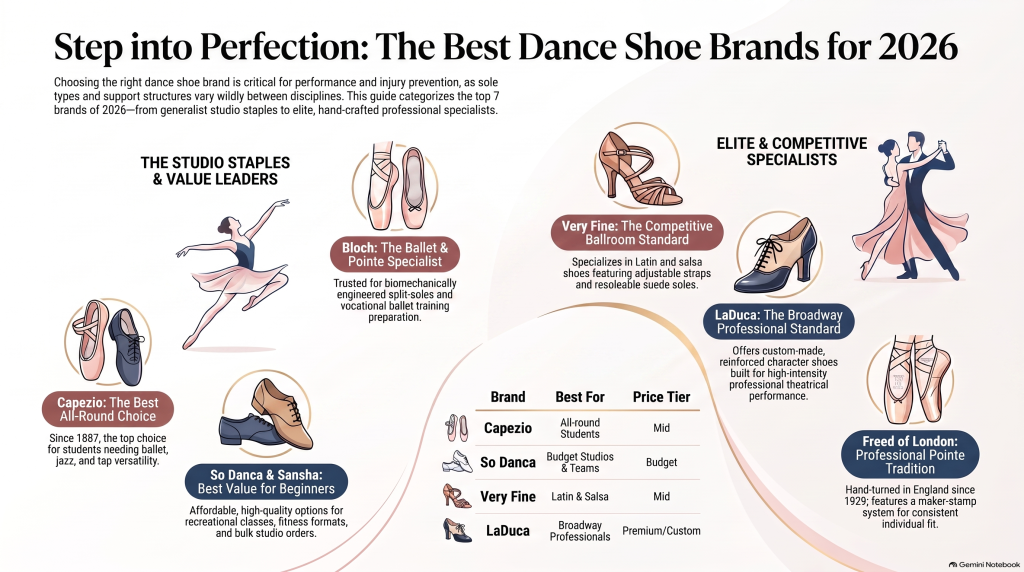
Best Dance Shoes for Flat Feet & Wide Feet:
Dancers with flat or wider feet should prioritize brands with built-in arch support and a forgiving toe box — Capezio’s arch-cookie insole and So Danca’s leather jazz oxfords both fit this need well. Narrower feet, especially in pointe work, tend to suit Freed of London’s hand-turned box or Mirella’s Whisper. For beginners unsure of their foot shape yet, starting with a lower-cost brand like Sansha or So Danca before investing in a premium pair is the lower-risk path.
Dance Shoes for Beginners by Budget:
| Budget Tier | Recommended Brands | Typical Use Case |
|---|---|---|
| Budget ($20–$50) | Sansha, So Danca | Students, beginners, bulk studio orders |
| Mid-range ($50–$110) | Capezio, Bloch, Very Fine Dance Shoes | Regular training, recital, competitive Latin |
| Premium ($110+) | Werner Kern, Freed of London, LaDuca, Miller & Ben | Competition, professional, custom/theatrical |
Our Pick for the Best Dance Shoes Brand Overall:
If you want one clear recommendation: for most students and recreational dancers, Capezio is still the safest first purchase among the best dance shoes brands — the range is wide enough to cover a beginner’s first two or three years without switching brands. Once you specialize, though, staying loyal to a generalist brand stops making sense.
Competitive Latin dancers who keep training in Capezio’s ballroom line past an intermediate level are usually better served switching to Very Fine or Werner Kern, and pointe students approaching company auditions get more from Freed of London’s maker-fit system than a mass-manufactured shank ever provides. Budget shouldn’t be the deciding factor for a specialist need — a wrongly-supportive shoe in a demanding style costs more in injury risk than the price difference between brands ever will.
FAQ Section
N1. What are the best dance shoes brands for ballroom dancing?
Very Fine Dance Shoes and Werner Kern are the top picks for ballroom and Latin specifically — both build shoes around suede soles and heel heights tuned for pivots and turns, not everyday walking comfort.
N2. What are the best dance shoes for flat feet?
Look for a brand with strong arch support built into the insole, like Capezio’s ‘arch cookie’ cushioning or Bloch’s Splitflex panel — both add support without stiffening the sole the way a rigid orthotic would.
N3. How do I choose the right dance shoes for beginners?
Start with your dance style first, then budget: Sansha or So Danca cover most beginner ballet, jazz, and tap needs affordably, while Very Fine is the standard first purchase for beginner ballroom or Latin.
N4. What are the most comfortable tap shoes for kids?
Capezio’s Jr. Tyette and So Danca’s tap line are the most recommended for kids — both use foam-cushioned footbeds and forgiving half-size ranges that account for fast-growing feet.
N5. Are dance sneakers good for Zumba classes?
Yes — Sansha’s Salsette 1 and Capezio’s Fierce Dansneaker are both built with lightweight mesh and cushioned heels specifically suited to high-repetition, fitness-format dance classes like Zumba.
N6. What are the best jazz shoes for wide feet?
So Danca’s leather jazz oxfords tend to run more forgiving through the toe box than Capezio’s narrower PU styles — always check a brand’s specific width notes before ordering online.
N7. What are the best women’s ballroom dance shoes for salsa?
Very Fine’s Latin/Rhythm sandal line, including the Rosaly and Sofie models, is purpose-built for salsa’s pivot-heavy footwork with adjustable straps and a resoleable suede sole.
N8. What are the top rated ballet shoe brands in 2026?
Bloch and Freed of London lead for pointe-level training, Capezio remains the most versatile all-round ballet brand, and Mirella is a strong specialist pick for dancers who prioritize a softer shank.
Conclusion:
There’s no single answer to which of the best dance shoes brands is “the best” — it depends entirely on your dance style and level. Capezio and Bloch remain the safest all-round choices for students and recital studios, So Danca and Sansha are the best value picks for beginners or bulk studio orders, and Very Fine Dance Shoes or Werner Kern are the standard for anyone competing in ballroom or Latin.
If you’re training toward pointe work, Freed of London and Mirella are worth the investment, and working professionals needing custom or hand-crafted builds should look at LaDuca or Miller & Ben. Whichever brand you choose, prioritize the sole construction and fit over the price tag — a shoe that doesn’t match your dance style can genuinely increase injury risk. Compare your shortlist against the pros and cons above, check sizing notes carefully, and buy from a retailer with a workable return policy before committing to a full team or class order.


of course like your web-site however you have to check the spelling on quite a few of your posts. A number of them are rife with spelling issues and I to find it very bothersome to tell the truth on the other hand I’ll surely come back again.
You made some fine points there. I did a search on the subject and found mainly people will consent with your blog.